travellistings.org
THE most thorough and deep-dive review service for travel-related websites
★ Get your own unique FAQ + Selling Points on your profile page
★ be seen by 1000s of daily visitors and win new business
travellistings.org Miniblog
Why Does Paris Charles De Gaulle Turn A Simple Layover Into Chaos?
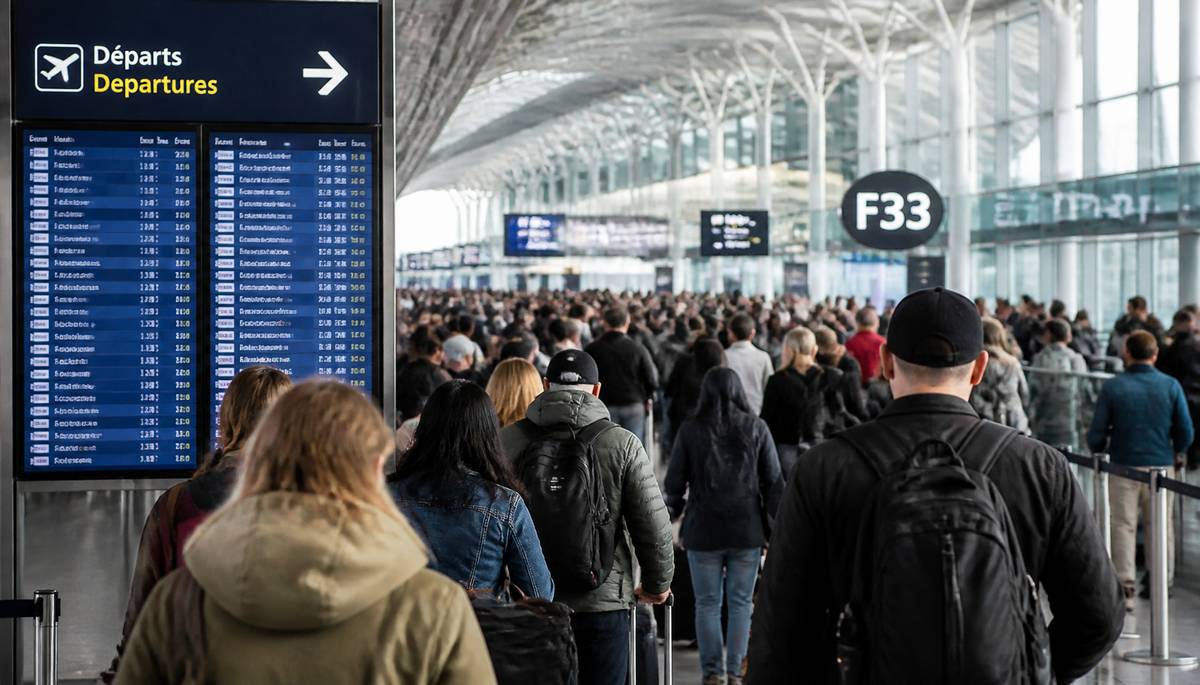 A layover at Paris Charles de Gaulle ought to mean a sandwich, a sit-down and perhaps a vague look at perfume you’ve no intention of buying. Instead, many travellers describe it as a test of character.
In a Reddit thread on the most dreaded stopover airports, CDG took a proper drubbing. The complaints were strikingly consistent: signs that seem to point everywhere and nowhere, packed terminals, immigration queues that move with the urgency of a parish jumble sale, too few seats, and transfers that feel needlessly awkward. What should be a routine connection turns into a brisk hike with paperwork.
That matters more than glossy design ever will. During a layover, people want clear directions, decent facilities and enough time to reach the next gate without developing a personal grievance against Gate 94.
Paris was not alone. Charlotte Douglas was criticised for cramped concourses, crowded central areas and long treks between gates, with one traveller saying a connection there usually involved a sprint. Frankfurt also came up regularly, thanks to big distances, border-control delays and procedures that left people baffled. Dallas/Fort Worth split opinion: some like the SkyLink train and layout, others loathe the packed boarding areas, terminal changes and restaurant queues blocking the way.
Even tiny regional airports were named. Quick to cross, yes. Pleasant for several hours? Often not. Posted on 27 September 2026
The UK's Air Traffic System Has A Resilience Problem
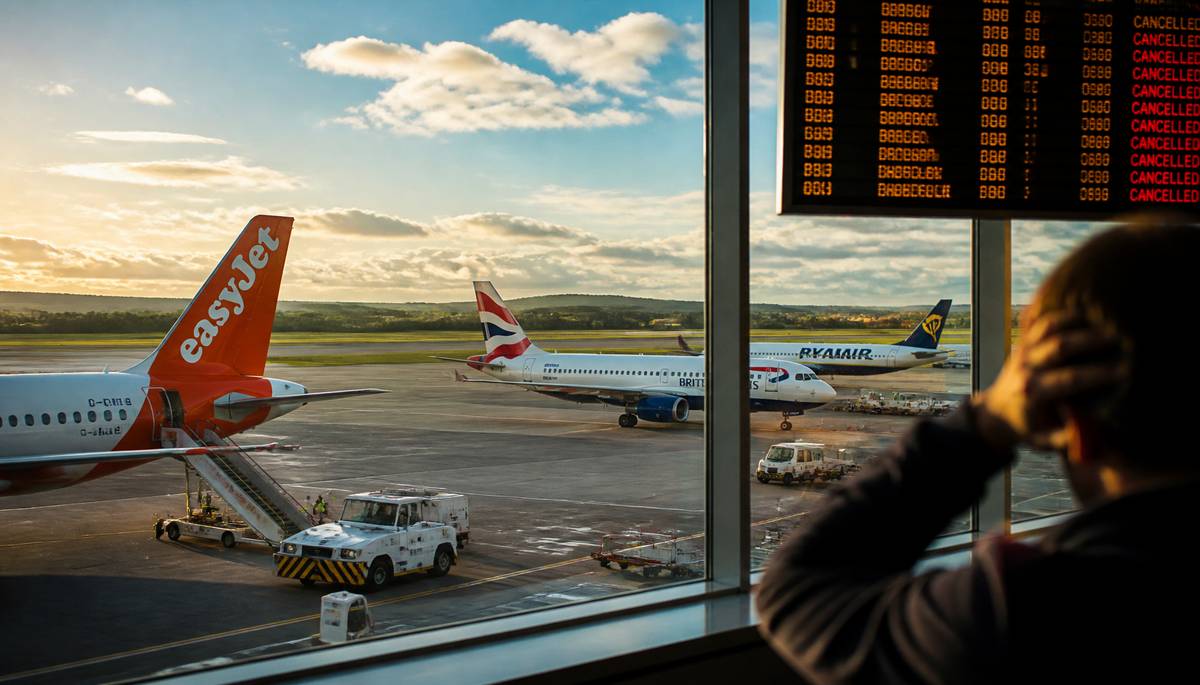 Britain’s air traffic control problem is no longer just a bad day at the airport. It’s starting to look like a systems problem disguised as bad luck.
On Monday, a network failure at NATS’s Prestwick centre disrupted flights across Scotland, Northern Ireland and northern England. The issue was fixed by mid-morning, and NATS said operations returned to full capacity. But that reassurance lands differently when it follows another breakdown only weeks earlier, one that led to roughly 2,000 cancellations.
This time, Cirium says at least 227 flights were cancelled. EasyJet took the biggest hit, scrapping 47 of 670 scheduled departures, while British Airways cancelled 12 of 513. Ryanair said more than 140 of its flights were delayed and responded by demanding the resignation of NATS chief executive Martin Rolfe.
The specific cause may have been different from the earlier outage. That almost makes it worse. If separate failures can produce the same public chaos, resilience is the issue. Not perfection. Resilience.
Airlines are now saying out loud what passengers have probably already concluded: the back-up plan does not look robust enough. EasyJet has questioned the service’s ability to cope, Airlines UK says travellers deserve better, and ABTA wants answers on how the system will be strengthened.
That is the real story now. Not just what went wrong, but why the margin for failure appears so thin. Posted on 22 September 2026
China's New Exit Bans Turn Tech Know-How Into A Border Risk
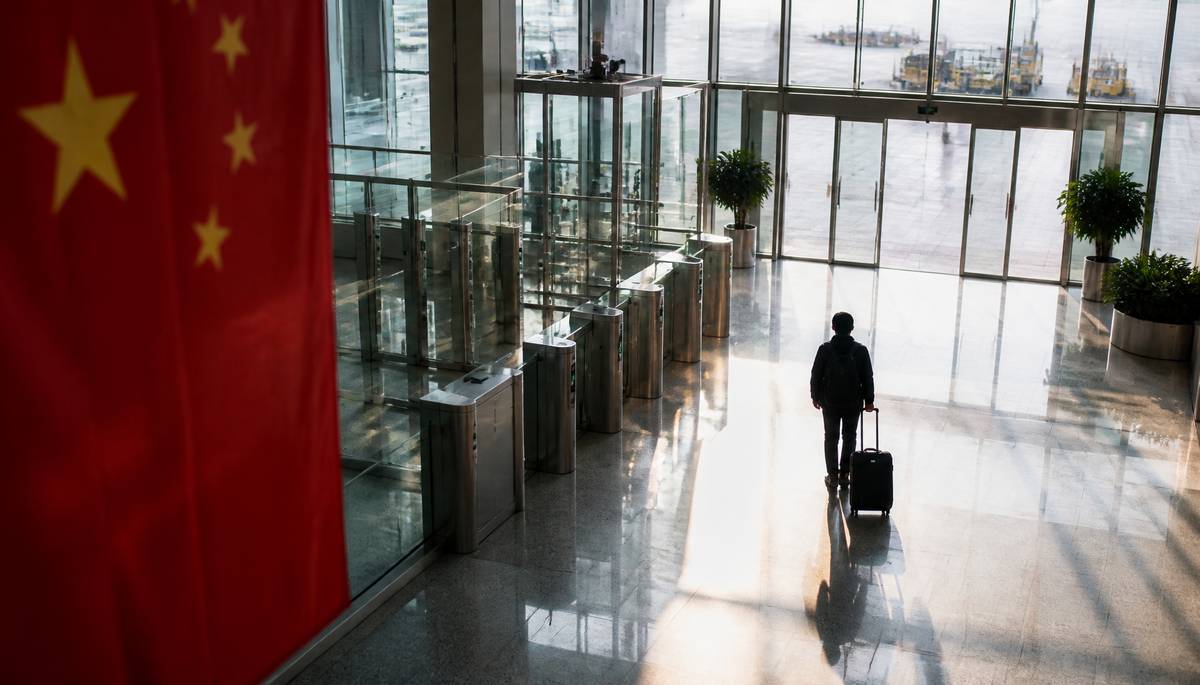 China’s latest border rules send a blunt message: in a country racing to protect strategic technology, what you know can now matter almost as much as what you carry.
From Tuesday, Chinese citizens may be stopped from leaving if authorities believe they were involved in illegal acts abroad that threaten national security. The same applies to breaches of tech export or import rules if those actions are judged to harm industrial or technological security. In some cases, returnees could face an exit ban lasting from six months to three years.
That is a striking shift. It suggests the state is not only watching physical goods, but also expertise, contacts and know-how, especially as competition intensifies around artificial intelligence and other advanced sectors. Earlier this year, China even blocked Meta’s reported attempt to buy Manus, an AI start-up with Chinese roots based in Singapore, over concerns about sensitive technology moving overseas.
The catch is the language. Terms such as national interests and technology security are broad enough to make lawyers nervous. Georgetown professor Mark Jia has warned that people could be caught by these measures with little meaningful notice, especially since officials may withhold notification if they say an investigation or security concern requires it.
Officials insist ordinary travellers are not the target. The rules also aim to stop people being lured abroad into scam compounds or illegal gambling networks. Still, for researchers, founders and engineers, the border may now feel less like a gate and more like a review panel.
Posted on 18 September 2026
The Real 9/11 Legacy Wasn't Fear - It Was The Security Line
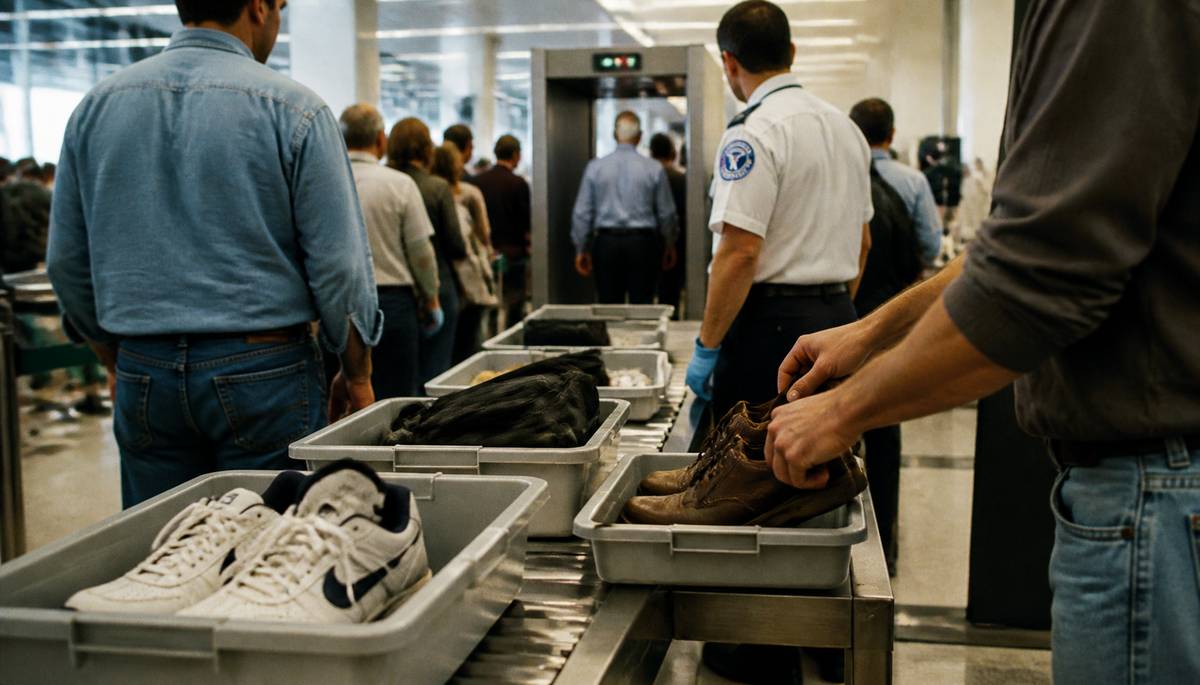 The lasting mark of 11 September was not simply dread in the abstract. It was made concrete in trays, queues, locked doors and the small humiliations of undressing by degrees under fluorescent light.
Before 2001, many Americans could reach a domestic gate without showing ID, and loved ones could walk beside them to say goodbye. That vanished almost overnight after the hijackings that killed nearly 3,000 people in New York, Washington and Pennsylvania. US airspace was shut, then reopened on 13 September. Soon after, the Aviation and Transportation Security Act created the TSA and made federal screening of passengers and bags the new ritual of flight.
The cabin changed too. Cockpit doors were reinforced and kept locked. Air marshals multiplied. Knives and box cutters disappeared from hand luggage. After Richard Reid’s 2001 shoe bomb attempt, shoes began coming off; by 2006, it was mandatory. A foiled liquid explosives plot in the UK that same year brought the 100ml rule. After the 2009 underwear bomb attempt, full-body scanners spread across airports worldwide. Later came biometric boarding, larger electronics in trays, and ESTA pre-screening for visa-waiver travellers.
The price was time. Screening rates reportedly fell from 500-600 passengers an hour per lane before 9/11 to 100-150 after. Passenger numbers recovered, but the line remained: longer, stricter, and for many Muslims, more suspicious too.
Posted on 13 September 2026
The World Cup Boom Hid A Travel Slump
 The summer looked splendid if you stared only at the brightest lights. World Cup crowds lifted hotel rates, packed host cities and helped push US travel spending up 6.2 per cent in June to $122.1 billion. Yet that cheerful picture concealed a more awkward fact: fewer people were actually coming.
Overseas arrivals fell 1.8 per cent in June and then dropped 7 per cent in July from a year earlier. For the year to date, they remain down 4.7 per cent. Air passenger volumes slipped too, though by a smaller margin. In plain terms, prices rose faster than traffic, which is not quite the same thing as a tourism boom.
That helps explain why travel executives went to the Oval Office on Wednesday urging President Donald Trump to aim for 100 million international visitors by 2030. Geoff Freeman of the US Travel Association said the administration had not signed up to the target, but was open to more talks. The industry wants the US to regain its position as the world’s most visited country.
The arithmetic is daunting. International arrivals fell from 72 million in 2024 to 68 million in 2025, and this year is expected to be merely flat or slightly better. The administration points to shorter visa waits, quicker connections and $12.5 billion for air-traffic-control upgrades. But higher park fees, a new $250 visa integrity charge and tighter screening risk cancelling out those gains.
The lesson is simple enough: a great event can fill a season, but not repair a system. Posted on 5 September 2026
You Can Still Travel Abroad Without A Smartphone - But The System Clearly Hates It
 Travelling abroad without a smartphone is still absolutely possible in 2026. It is also a mildly spiteful little experiment in discovering how many systems now assume you’re carrying a glass rectangle charged to at least 12 per cent.
You can still print boarding passes, hotel bookings and train tickets before you leave. Airlines may push their apps with the energy of a youth pastor, but paper usually still works. Cash and bank cards remain useful. Paper maps continue to perform their ancient witchcraft. Hotel staff can call taxis. Information desks still exist. Talking to another person, humiliatingly, remains effective.
The problem is not that a smartphone is strictly necessary. It’s that modern travel keeps building tiny traps for anyone without one. Gate changes appear first on apps. Booking confirmations hide in inboxes you can’t easily access. QR-code menus, app-only tickets, digital room entry and online identity checks can turn a simple journey into a scavenger hunt designed by a bored bureaucrat.
Then there’s life on the ground: maps, translation, public transport, ride-hailing, payments, last-minute bookings. Lose all of that at once in an unfamiliar city and even buying lunch can acquire the emotional texture of a hostage negotiation.
So yes, you can do it. You just need planning, patience and a tolerance for a system that has confused convenience with obligation.
Posted on 31 August 2026
Why Are Sleeper Trains Suddenly The Most Romantic Way To Travel Again?
 Sleeper trains are having a love affair with the public again because they offer something air travel rarely does: atmosphere. You climb aboard in one city, pull a blanket to your chin, and wake somewhere altered by light, language or landscape. It feels less like transit than a small act of disappearing.
The appeal is not merely nostalgic, though nostalgia helps. There are overnight rail journeys on six of the world’s seven continents now, from polished, high-end carriages carrying guests towards Machu Picchu or the Taj Mahal to the vast long-distance trains of Canada and the United States, where glass-roofed panorama cars turn mountains and plains into a slow cinema. Britain’s Caledonian Sleeper, gliding from London to Scotland, remains one of the clearest examples of the form: practical, yes, but touched with theatre.
Popular culture has kept the romance alive too. Anthony Bourdain’s 2014 trip on the Grand Express between Moscow and St Petersburg still lingers in the imagination, and renewed interest in his work has reminded travellers how seductive a night train can look.
There is also a more modern reason. New rail ambition is back. The UAE has launched Etihad Rail, its first national passenger network, designed to connect 11 cities across the desert. That kind of investment suggests sleeper travel is no longer a relic. It is, rather surprisingly, current again.
Posted on 23 August 2026
The Canadian Boycott Is Costing America Billions
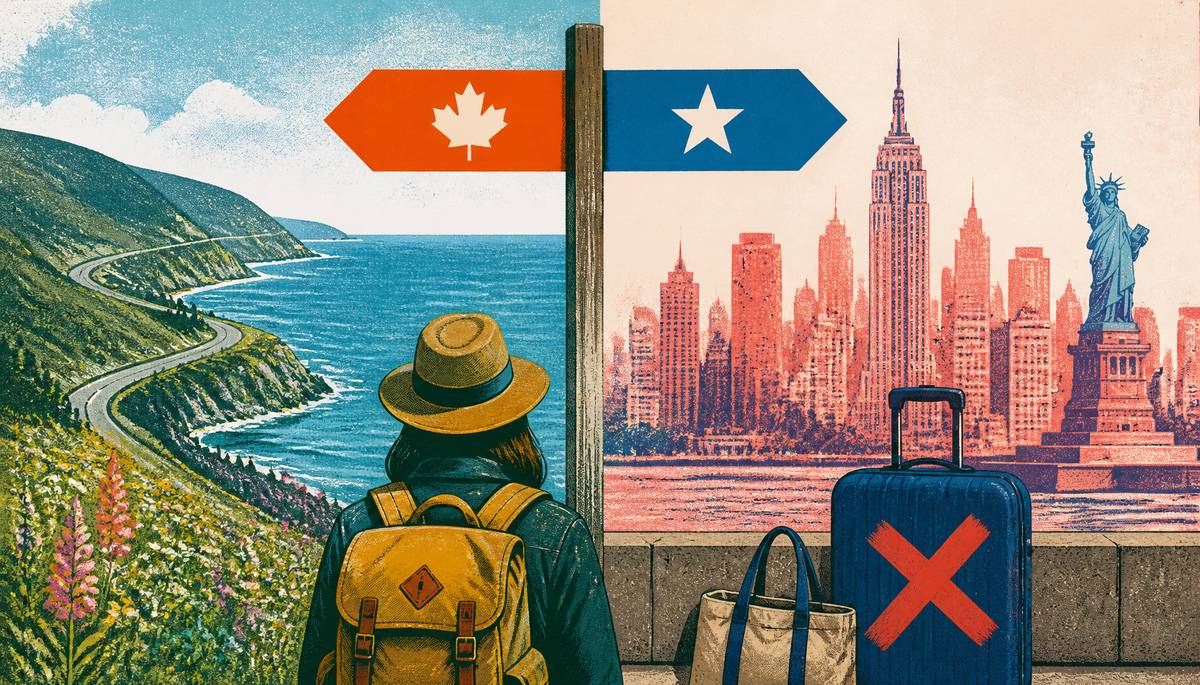 Canadians aren’t merely muttering into their tea and staying home. Many are taking their holiday money elsewhere, and America is feeling it in the till. By one estimate, the drop in Canadian travel stripped about C$3.3bn from US tourism revenue last year. In April alone, Canadians made roughly 800,000 fewer trips south than in the same month a year earlier.
Some of that is about exchange rates. Much of it, though, is plainly about anger. Tariffs, annexation talk and a broad sense of being disrespected have turned casual cross-border travel into a matter of principle for many.
Kent Truscott of Ontario canned a Texas trip to watch a SpaceX launch and spent the money in Nova Scotia and Prince Edward Island instead, where he found sea views, the Cabot Trail and, by his telling, a halibut dinner so fresh it was practically still filling in paperwork. Ottawa’s Lynda Rousseau and her husband binned a New York-to-Panama cruise for Rome and Barcelona. Vancouver retiree Nick Smith has swapped American stopovers for direct flights and visited Morocco. Christie Mitchell from British Columbia marked her 50th by walking Spain’s Camino Francés rather than nipping off to Las Vegas.
US cities have noticed. New York is now dangling 30% discounts on hotels and Broadway tickets to lure Canadians back. For many, it may take far more than a bargain.
Posted on 16 August 2026
Why Is Mexico Turning A $5 Cruise Stop Into A $21 Passenger Tax?
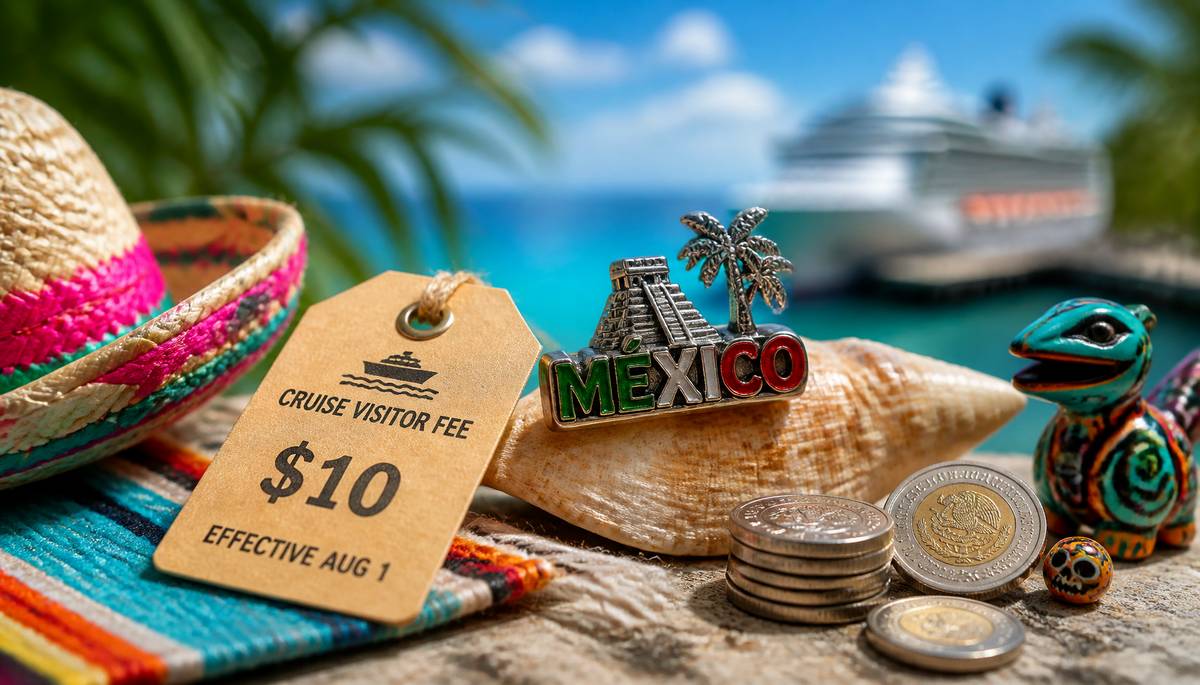 Mexico has decided that the cruise passenger, long regarded as a cheerful soul who arrives in the morning, buys a hat, photographs a pelican and vanishes by dusk, ought to contribute a bit more to the national till. As of 1 August, foreign cruise visitors calling at places such as Cozumel, Costa Maya, Cabo San Lucas and Puerto Vallarta now pay $10 each, up from $5.
And that, as they say, is merely the opening movement. The charge is due to rise to $15 on 1 July 2027, then to $21 from 1 August 2028 through September 2030.
The curious part is that this is still gentler than Mexico’s first idea. In late 2024, lawmakers approved a levy of 860.56 pesos, about $42 at the time, for foreign cruise passengers. Collection was effectively delayed, however, and after talks with the Florida-Caribbean Cruise Association, a lower phased arrangement was agreed.
Travel analyst Clint Henderson has said the latest rise probably will not frighten off most holidaymakers, but it does add to the growing pile of travel costs. For families, especially, these “small” charges have a way of multiplying like rabbits in spring.
Why do it? The official logic is to support communities that depend on cruise tourism while bringing sea arrivals into line with other foreign visitors. Cruise holidays may still offer solid value, but Mexico is plainly making sure the gangway no longer comes tax-free. Posted on 12 August 2026
The $760 Million Fine Changes Nothing About China's Real Travel Slump
 Trip.com’s RMB 5.179 billion fine, about $760 million, looks dramatic enough to satisfy the appetite for spectacle. It is China’s second-biggest platform antitrust penalty after Alibaba’s, edging past Meituan, and it amounts to 15.6% of Trip.com’s annual profit on 2025 revenue of RMB 62.4 billion. Large, yes. Transformative, probably not.
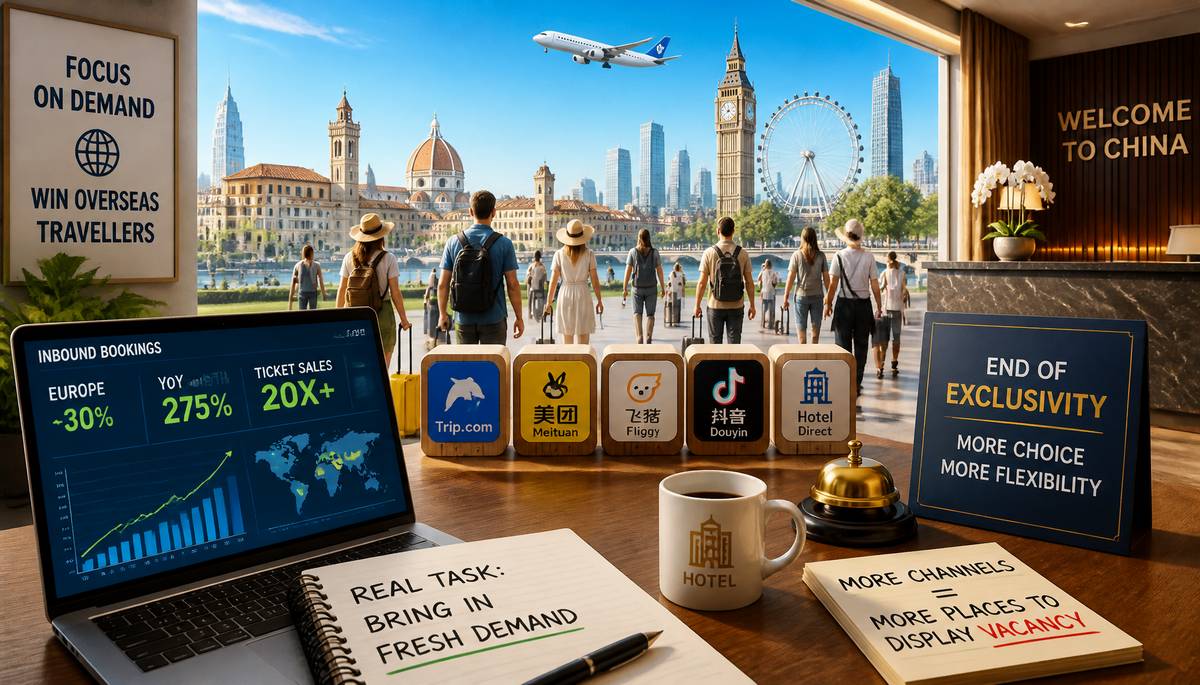
The more interesting question is what this does for hotels. The end of exclusivity gives them room to manoeuvre: they can spread rates and inventory across Trip.com, Meituan, Fliggy, Douyin and their own sites according to commission costs and customer mix. That sounds liberating. It may also prove faintly useless.
Because the problem is not chiefly distribution. It is demand. This summer has brought hotel discounting, airline losses and travel agents scrapping over wafer-thin margins. More channels do not conjure more guests; they merely offer more places to display the vacancy.
Hotels used to blame commissions and opaque algorithms for poor performance. That alibi is weakening. In a market already fighting over a finite pool of domestic travellers, the real task is to bring in fresh demand.
Here Trip.com still has something scarce: overseas reach. Its data show Europe making up roughly 30% of the top 20 inbound markets this summer, with bookings up 275% year on year and ticket sales more than twentyfold. For Chinese hotels, that matters more than the fine. Posted on 3 August 2026
How Did Airlines Turn A 30% Fuel Spike Into Bigger Profits?
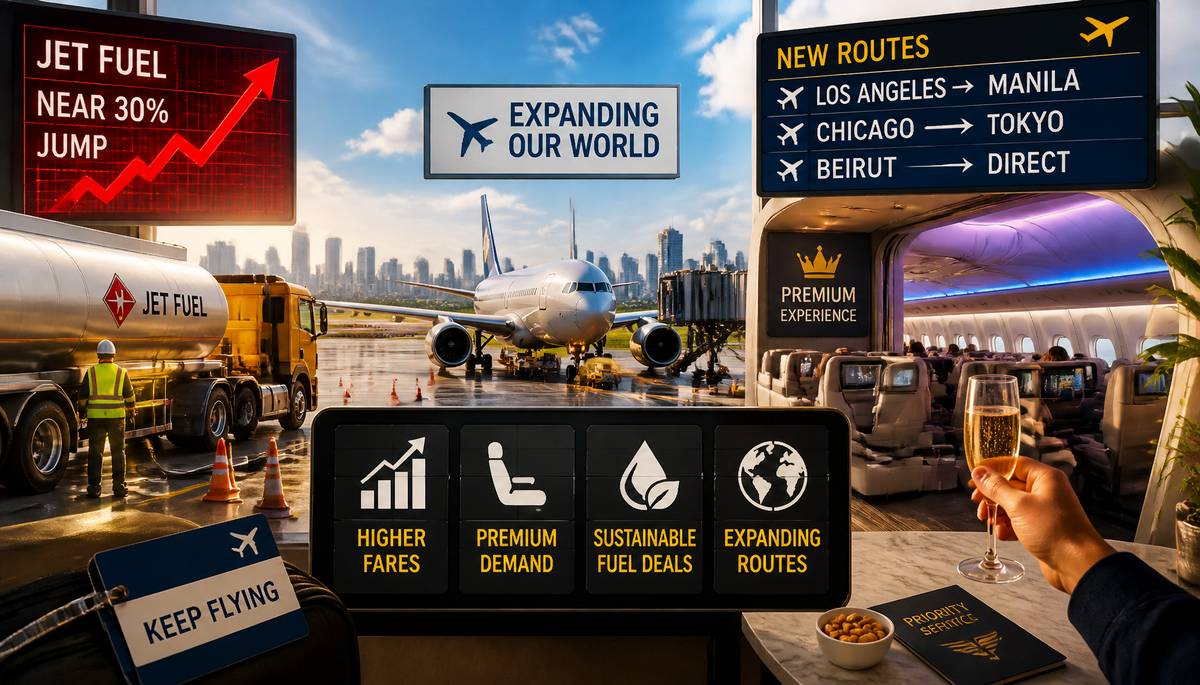 Airlines were walloped by a near-30% jump in jet fuel prices in July after the Iran ceasefire collapsed, yet many still came out looking oddly pleased with themselves, like a man whose shed has blown away but who’s found £40 and a decent rake.
The sums were not small. United said pricier fuel could add $6 billion to its yearly bill. Globally, carriers saw fuel costs in May rise by a combined $6.6 billion, up 84% on the year. And still, second-quarter revenues and profits held firm.
How? Mostly by charging more and selling people nicer bits of the plane. United reckons it can claw back all that extra fuel spend by the fourth quarter of 2026 through higher fares and strong demand for premium cabins. In plain terms: economy passengers paid more, and plenty of travellers kept paying extra for bigger seats, quieter lounges and a glass of something cold.
Some airlines are also trying not to be caught short again. Delta expanded its sustainable aviation fuel deal with Shell Aviation, partly in response to recent supply trouble in conventional jet fuel.
What’s striking is that none of this stopped expansion. Airlines announced new routes from Los Angeles to Manila, Chicago to Tokyo, and potentially direct flights to Lebanon for the first time since 1985. So the answer is simple enough: pass on the pain, lean into premium, and keep flying.
Posted on 29 July 2026
Gen Z Doesn't Want More Travel-It Wants More Mini-Escapes
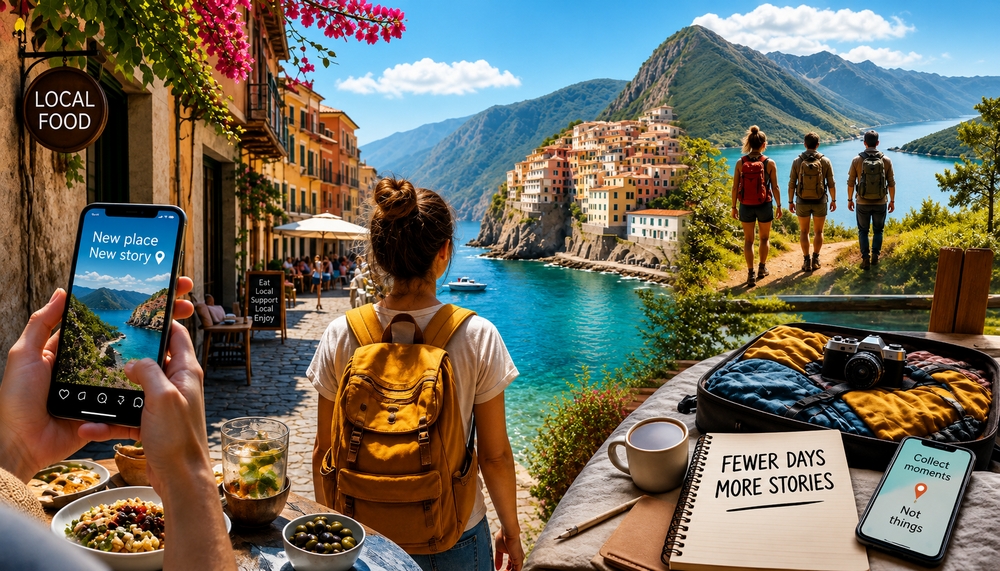 Gen Z isn’t rejecting travel. It’s rejecting the old format of saving everything for one grand summer escape, then spending the rest of the year staring at a wall and calling it character building.
What’s replacing it is the mini-break. Shorter trips, more often, with less ceremony and usually less notice. A few days here, a quick hop there, booked close to the date because life changes, prices wobble and spontaneity still has some appeal. For younger travellers, flexibility isn’t a bonus. It’s the whole point.
The bigger shift is what they actually want from these trips. Flash hotels and polished resorts don’t carry the same weight if the experience feels bland. Gen Z is more likely to spend on something memorable: brilliant local food, a tucked-away coastal town, an outdoor challenge, or a place with actual character rather than a lobby that smells expensive.
Social media still matters, of course, but not just for pretty pictures. It’s pushing people towards trips that feel personal and worth talking about afterwards. A destination needs a story now, not merely a sun lounger.
Travel firms are noticing. Marketing is leaning less on facilities and more on experiences, while booking systems are adapting to shorter lead times. Sensible, really. Gen Z doesn’t necessarily want more travel. It wants travel that fits real life better.
Posted on 25 July 2026
Why Does Atlanta Keep Beating Every Mega-City At Air Traffic?
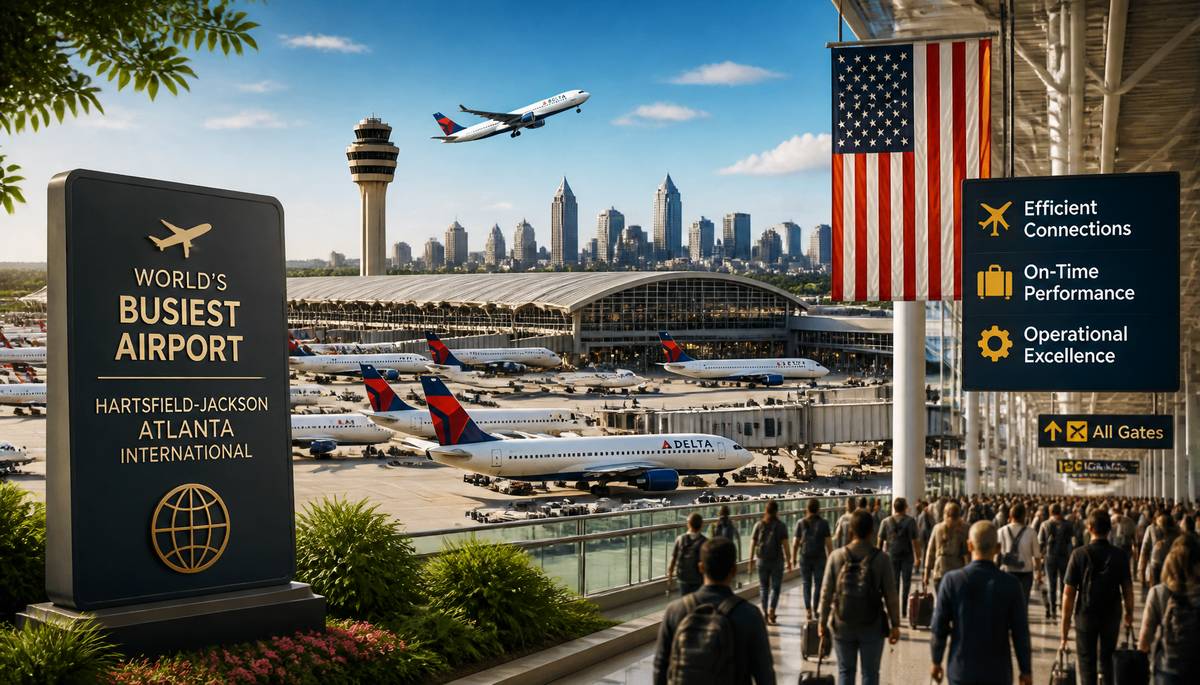 Atlanta keeps winning at air traffic for the same reason some utterly average bloke becomes employee of the month 27 years out of 28: reliability, position and ruthless efficiency.
In 2025, Hartsfield-Jackson Atlanta International was again the busiest airport on Earth for passenger numbers. Global air travel hit a record 9.8 billion passengers last year, and Atlanta still came out on top. It only lost the crown once, in 2020, when Covid effectively pressed pause on flying.
What makes that odd is Atlanta isn’t exactly Paris, Hong Kong or Los Angeles. People aren’t flocking there just to gaze at the terminal and eat a sad croissant. Its strength is simpler. It sits in a very useful spot on the map for domestic and international connections, especially across the US. If you want to move huge numbers of people efficiently, that matters more than glamour.
Then there’s management. Airports don’t stay dominant for nearly three decades by accident. Atlanta has benefited from steady planning over many years, plus the sort of operational discipline that keeps planes, passengers and luggage moving instead of milling about like confused cattle.
The rest of the 2025 top five were Dubai, Tokyo Haneda, Dallas/Fort Worth and Shanghai Pudong. Dallas/Fort Worth, notably, has jumped six places since 2019, so Atlanta’s throne isn’t untouchable. But for now, the giant grey machine in Georgia still does the job better than the mega-cities.
Posted on 19 July 2026
The Super El Niño Travel Trap Is Hiding In The Southern Flight Map
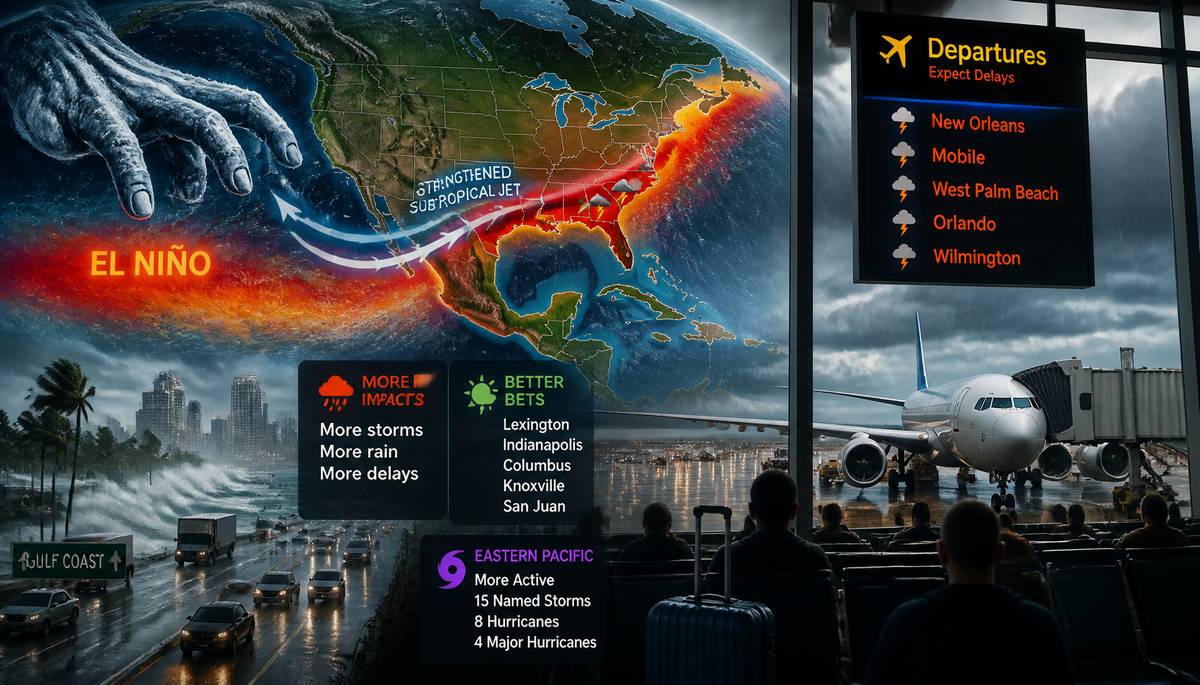 A strange hand is moving across the Pacific, and its reach may soon be felt in departure lounges as keenly as on rain-soaked roads. NOAA says El Niño is now firmly in place, with ocean temperatures across the central and eastern Pacific running well above normal. More striking still, forecasters give it a 97% chance of lasting through winter into spring, and an 81% chance of becoming the strongest event on record by autumn.
For travellers, the chief trouble lies in the southern flight map. A strengthened subtropical jet stream often sets up across the southern United States during El Niño, steering storm after storm from the southern Plains over the Gulf Coast and up the Eastern Seaboard. From August to March, that can mean more turbulence, more lightning delays, more soaked motorways, and more missed connections.
The places most likely to feel the brunt include New Orleans, Mobile, West Palm Beach, Orlando and Wilmington, where past strong El Niño years brought wetter conditions and more days with measurable rain. Orlando in particular can become a knot of disruption when heavy rain and lightning close in.
The brighter side is real, if modest. Lexington, Indianapolis, Columbus, Knoxville and even San Juan are among the better bets, largely because many areas outside the southern storm track may stay close to average.
Meanwhile, the Eastern Pacific may grow busier too. That basin usually sees 15 named storms, 8 hurricanes and 4 major hurricanes, and El Niño often gives it extra life.
Posted on 14 July 2026
Why Are Airfares Still Sky-High When Jet Fuel Is Crashing?
Jet fuel is getting cheaper, yet tickets in the US are still behaving like they’ve been told they’re the main character. Annoying, but not mysterious.Fuel is only one slice of an airline’s costs, and carriers have had plenty of reasons to keep fares firm: labour is pricier, aircraft are in short supply, maintenance is expensive, and popular routes are still crowded around holiday peaks. If planes keep filling up, airlines have no great incentive to suddenly become saints.
That helps explain why plenty of Americans are looking closer to home this Independence Day, especially during a fierce heatwave. CNN Travel has leaned into that mood with a 2026 list of 10 US towns worth visiting instead of blowing the budget on a flight. Roanoke, in Virginia, makes the cut thanks to easy access to the Appalachian Trail and the Blue Ridge Parkway, plus a compact centre and a food scene that rewards a day outdoors.
There’s also a wider push to celebrate the country’s 250th year with trips that don’t require airport roulette. Sail250 is bringing tall ships and military vessels up the Atlantic coast, stopping in New York before Boston from 11 to 16 July. Union Pacific’s Big Boy No. 4014, the largest operating steam locomotive in the world, is travelling from Scranton to Cheyenne through July. And in Washington, DC, National Geographic’s new Museum of Exploration offers animal portraits, Everest history and whale-filled cocktail-hour projections.
Posted on 6 July 2026
EU Biometric Border Checks Threaten Summer Airport Meltdown
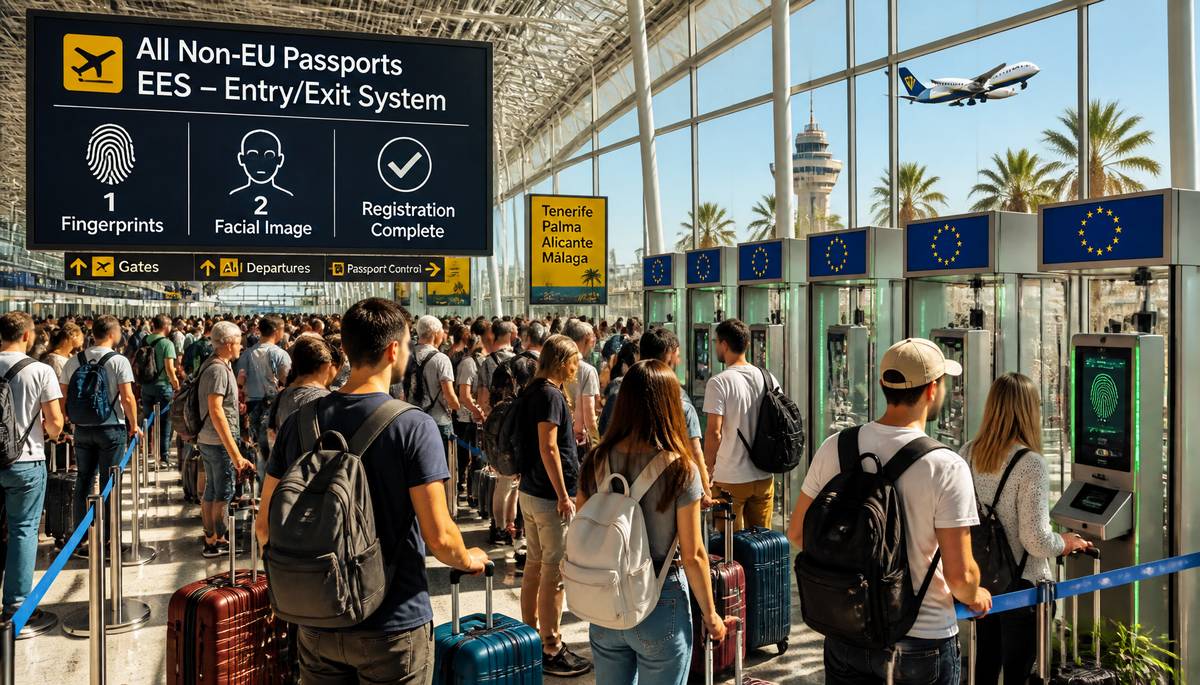 Europe’s summer airport experience is flirting with disaster: not because people suddenly forgot how lines work, but because the EU’s new Entry/Exit System is asking peak-season crowds to stop, pose, and fingerprint like everybody’s got nowhere to be.
Ryanair says the rollout is already straining airports and wants checks paused until September in the most exposed countries. Industry groups have gone further, asking Brussels to suspend the regime through July and August, or even delay full implementation until summer 2027. The European Commission has called an urgent meeting for next Tuesday.
The pressure points are already obvious: Tenerife South, Palma, Alicante, Málaga, Milan Bergamo, Krakow and Paris Beauvais. Berlin airport says some non-EU travellers are waiting up to two hours. There have also been cases of UK-bound passengers missing flights and aircraft departing with empty seats because people were stuck at border control.
The EES, planned for a decade and launched last October after repeated delays, requires non-EU travellers entering the Schengen area to register fingerprints and a facial image on first use, then verify biometrics on later trips. Ireland and Cyprus are the only EU countries outside it.
EU officials say most airports are coping, checks average 70 seconds, and support staff can be deployed if queues spike, as in Lisbon. Still, only some countries, including France, Italy and Greece, have implemented it fully or partly, even though full compliance is due from September.
Posted on 2 July 2026
Tourism Keeps Moving, Even as the World Makes It Difficult
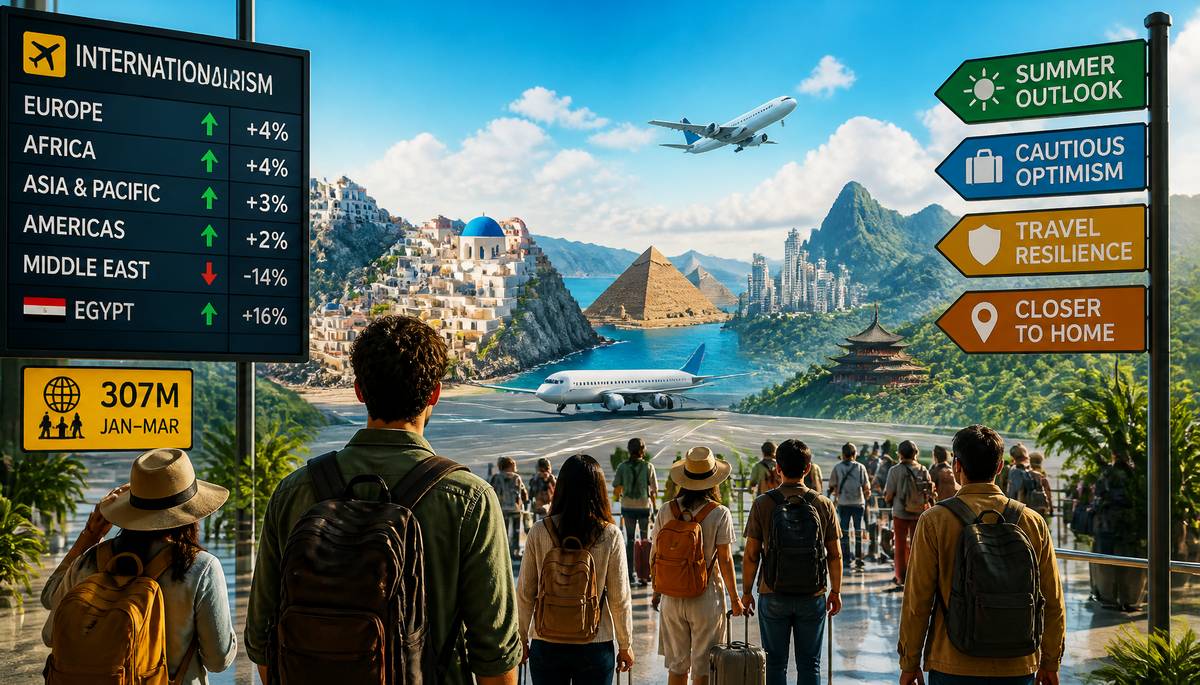 Global tourism crept forward in early 2026, which is honestly impressive for an industry currently being pelted with war, pricier flights, shakier confidence and the general vibe of the world holding its breath.
UN Tourism said 307 million people took international trips from January through March, about six million more than in the same period of 2025, for a 2% rise. Growth was running at a cumulative 2.5% in January and February, then March lost momentum as the Middle East conflict scrambled travel patterns and air links.
That conflict has also led UN Tourism to trim expectations for the year. Instead of the earlier 3% to 4% growth forecast for 2026, international arrivals are now expected to come in 1 to 2 percentage points lower. Flight disruptions, weaker traveler confidence, higher oil prices and jet-fuel shortages in some markets have pushed fares up and cut capacity beyond the region, increasing the odds that travelers stay closer to home or skip trips altogether.
Europe and Africa each posted 4% growth in the quarter. Europe received more than 130 million international visitors, with some destinations benefiting from redirected demand. Africa was helped by strong performances in North Africa and Sub-Saharan Africa.
Asia and the Pacific rose 3%, though South Asia slumped in March. The Americas gained 2%, led by Central America. The Middle East fell 14%, while Egypt stood out with a 16% increase.
UN Tourism’s latest expert survey still shows cautious optimism for the Northern Hemisphere summer season. Posted on 29 June 2026
Ho Chi Minh City, Practicing for the Spotlight
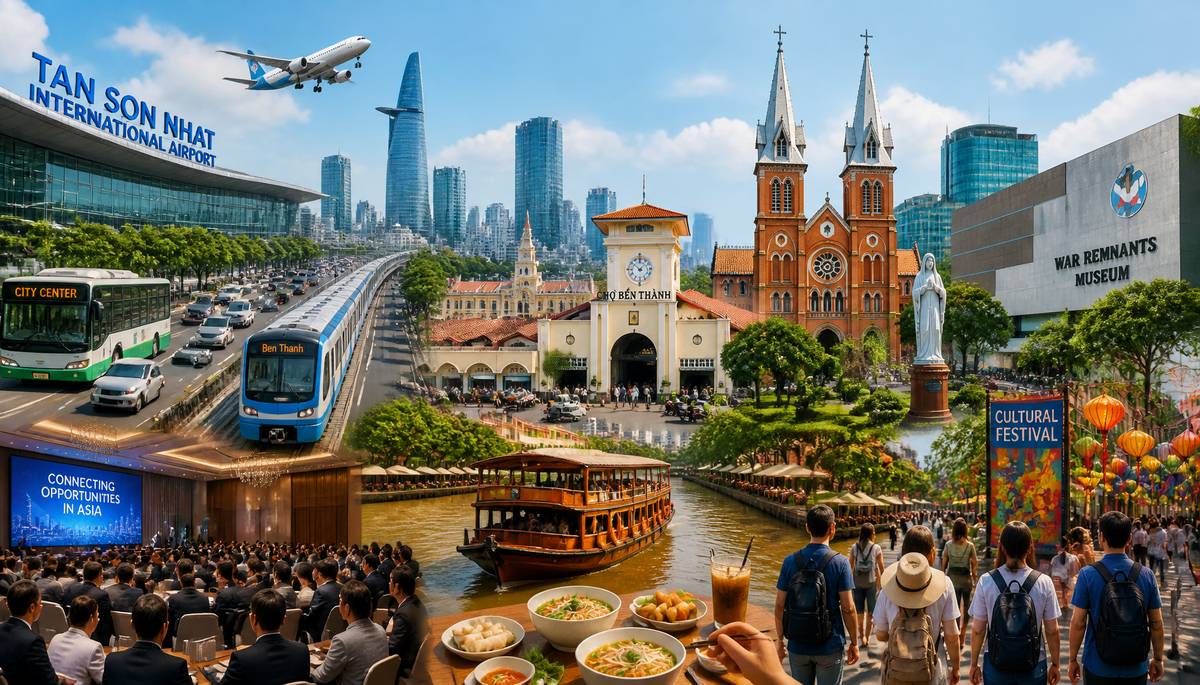 Ho Chi Minh City has spent the last five years learning new manners for a larger guest list. Since the pandemic slump, Vietnam’s biggest metropolis has poured money into the bones and bloodstream of tourism: airport capacity, transport links, visitor services, and the many practical seductions that make a city easier to love.
Tan Son Nhat International Airport has added room for more international flights, while new transport projects are meant to loosen the city’s famous knots of traffic and move both locals and visitors with less daily drama. The payoff is visible in the return of travel. Since Vietnam reopened, domestic demand has stayed strong and international arrivals have climbed back into the millions each year.
What the city offers has widened, too. The old anchors remain—Ben Thanh Market, Notre-Dame Cathedral, the War Remnants Museum—but they are no longer asked to do all the emotional labor. River excursions, food-centered itineraries, cultural festivals, and neighborhood tours now bring travelers deeper into the city’s ordinary charisma. That mix has helped extend visits and increase spending.
Another growth engine is business travel. Ho Chi Minh City has sharpened its appeal for meetings, incentives, conferences, and exhibitions, backed by newer hotels, convention space, and policies aimed at drawing global events.
The result is a city becoming more than Vietnam’s front door: a destination with its own pulse, where commerce, history, cuisine, and modern urban life keep unusual company.
Posted on 20 June 2026
Airport Luxury, Now in Snack Form
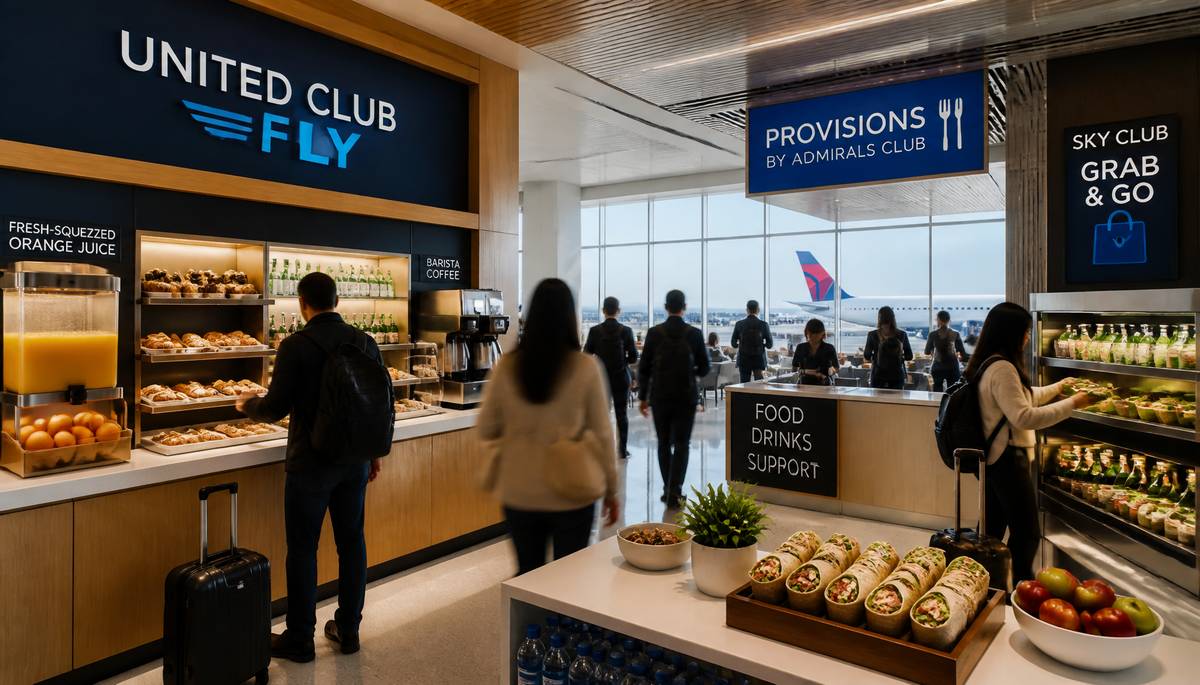 Airport lounges got so packed they started feeling less like a travel perk and more like a soft-seating Hunger Games. So airlines are pivoting: keep the free snacks, lose the scavenger hunt for a chair.
United opened its second United Club Fly at George Bush Intercontinental Airport in Houston in 2025, built around speed instead of lingering. The setup includes fresh-squeezed orange juice, warmed pastries, wraps, salads, sandwiches, barista-made coffee and self-serve drinks.
American followed with Provisions by Admirals Club at Charlotte Douglas International Airport in 2025, its first lounge concept designed specifically for quick visits and heavy traffic. It offers food, drinks and customer support under the same access rules as regular Admirals Club locations. A one-day pass costs $79 or 7,900 AAdvantage miles.
Delta has tested quick-serve areas in Sky Clubs in Atlanta and New York. Its Sky Club policies say Grab and Go uses the same eligibility rules as standard club access. Delta says the feature helps preserve the calmer experience inside lounges for travelers who stay longer. The airline now has 59 lounges, including four Delta One Lounges, the largest U.S. airline lounge network.
Travel adviser Jordi Lippe-McGraw, who flies about monthly, sees the appeal: traditional lounges still matter for long waits or traveling with a child, but rushed passengers mostly want the edible part of luxury. The bonus for airlines: less space, less staffing and fewer operating costs.
Posted on 17 June 2026
A World Cup With a Guest List
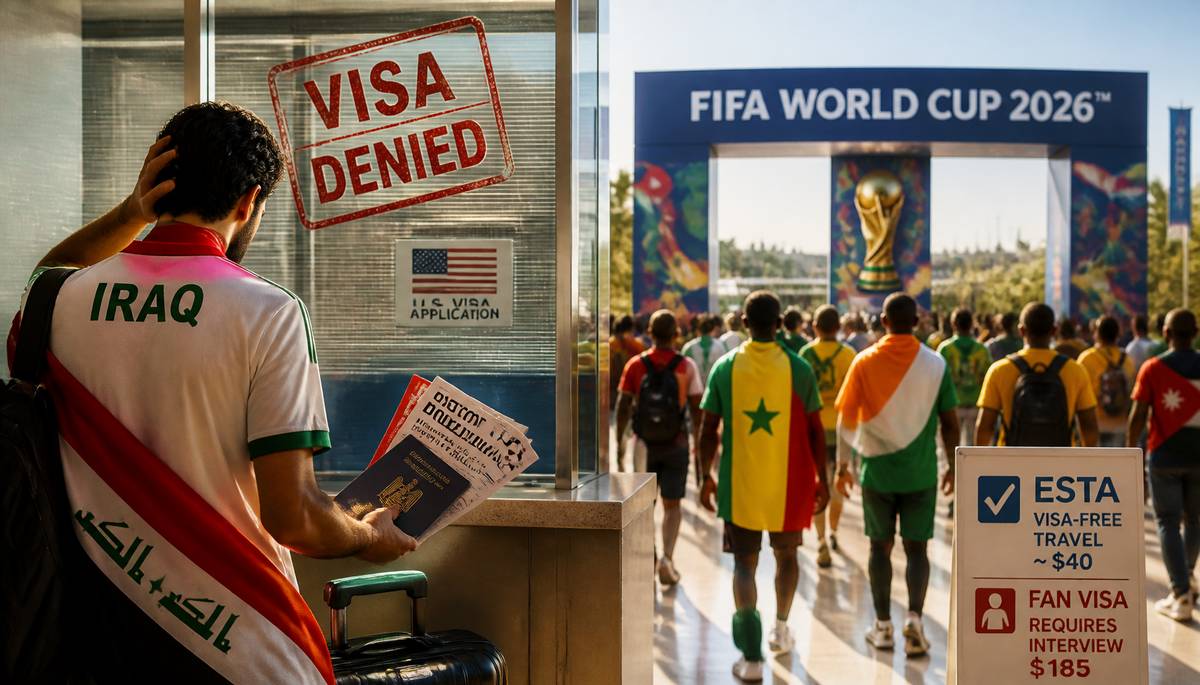 For many supporters, the 2026 World Cup is shaping up less like a global party and more like a velvet-rope experiment in who counts.
Iraqi fan Abdulla Adnan, ecstatic after Iraq qualified in March for only its second World Cup since 1986, bought tickets for matches against Norway in Boston and France in Philadelphia. Then the bureaucracy body-slammed him. After routine US consular services in Iraq were suspended during the US-Israel war with Iran, he flew to Jordan for a visa interview, spent about $1,800 on tickets and travel, and was told the embassy there could not process him because he was not Jordanian. Turkey was possible, but the wait could run two weeks. He gave up.
The problem stretches far beyond Iraq. Citizens of Haiti, Iran, Senegal and Ivory Coast are blocked from the visitor visa type recommended for fans. Meanwhile, 42 mostly wealthier countries use ESTA for about $40; no African country does. Standard fan visas cost $185 and require interviews. A proposed deposit of up to $15,000 for some African qualifiers was later dropped for ticket holders.
State Department data shows 11 qualified countries had refusal rates above 40% in 2024-25; Senegal topped 70%, Jordan hit 57%. Even FIFA Pass only speeds appointments, not approvals. And visas still do not guarantee entry.
Posted on 8 June 2026
Shibuya’s New Tourist Souvenir: A Littering Fine
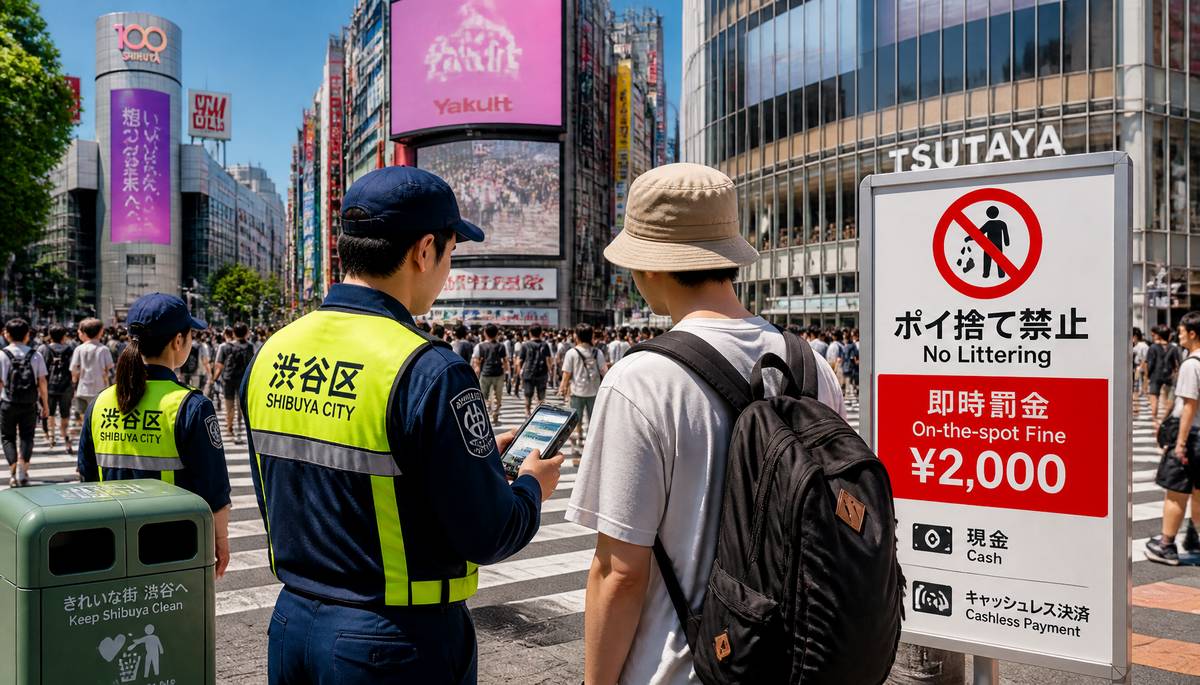 Shibuya has decided that the international language of tourism is no longer smiling politely while someone drops a coffee cup near the train station and keeps walking.
Beginning June 1, Tokyo’s Shibuya Ward started issuing immediate fines for littering in public spaces: 2,000 yen, about $13, payable on the spot. The policy targets improper trash disposal in one of the city’s most visited areas, where the famous Shibuya Crossing draws crowds large enough to make the ward’s daytime population more than double its resident base of about 240,000, according to Japan Today.
The stricter enforcement arrives as Japan’s travel surge keeps accelerating. Reuters reported that the country welcomed a record 42.7 million international visitors in 2025, and the effects are showing up in the least glamorous places: around stations, nightlife blocks and other high-traffic corners where discarded waste accumulates faster than civic messaging can keep up.
Campaigns urging visitors to carry their trash home have not solved the problem, so officials are expanding patrols and adding multilingual staff who speak English, Chinese and Korean. Fines can be paid in cash or by cashless methods.
Mayor Ken Hasebe said Shibuya’s global appeal is a point of pride, but the ward also has a duty to protect its urban environment and maintain both energy and order as visitor numbers rise.
Posted on 3 June 2026
Flight Attendants Have One Tiny Request: Keep Your Hands to Yourself
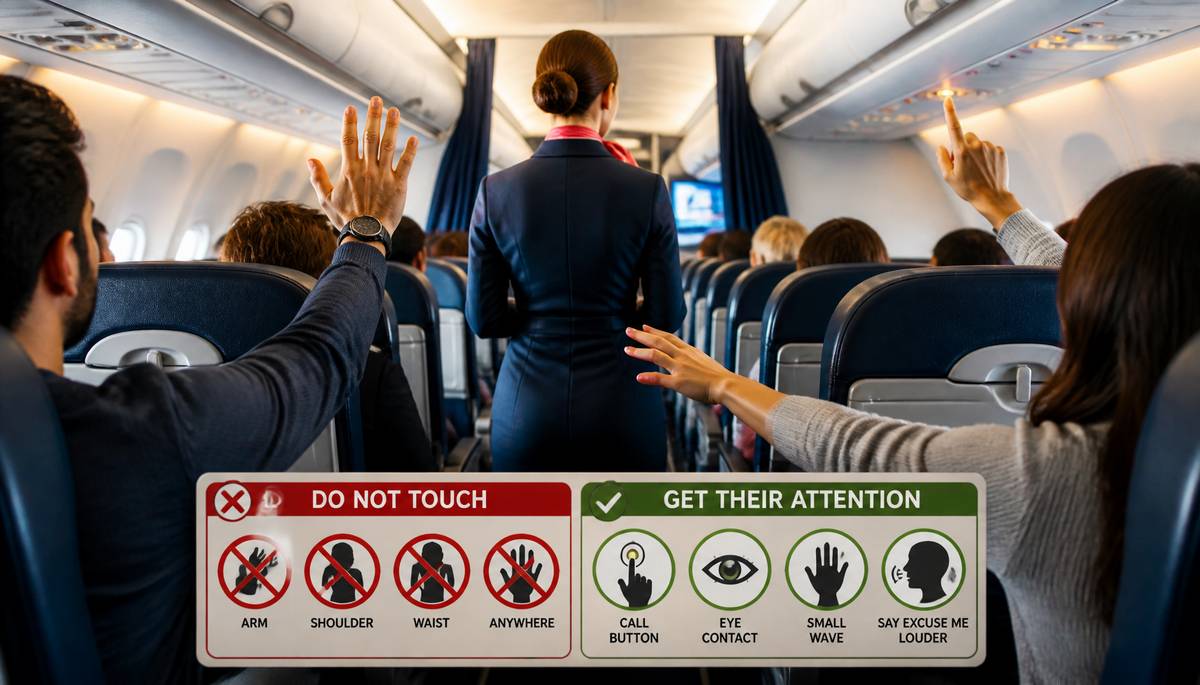 Air travel already turns everyone into a damp, overstimulated little raisin, so it helps to know one easy rule: do not poke the flight attendant.
Crew members discussing the issue on the Jumpseat Chronicles podcast said unwanted touching is one of the most routine aggravations of the job. Co-host Joshua Boyd described it as so common that, at a dollar per incident, flight attendants would all be rich by now.
Their preferred alternatives are not exactly advanced science. If you need help, use the call button, make eye contact, give a small wave, or say excuse me a bit louder than you normally would in a non-flying metal tube.
Texas etiquette expert Diane Gottsman, founder of The Protocol School of Texas, said touching a flight attendant crosses both personal and professional lines. Her point was simple: passengers generally would not grab the stranger seated beside them, so they should not tap a crew member on the arm, shoulder, waist, or anywhere else just to ask for something. She also noted that attendants may be occupied with safety duties passengers cannot immediately see.
Online, plenty of travelers agreed and wanted the reminder made explicit onboard. Others argued a light shoulder tap is still widely treated as normal, especially when engines are loud and repeated excuse me attempts go nowhere.
Posted on 2 June 2026
Summer Holidays Under the Pressure of Travel-Flation
 The summer holiday, once sold as a simple escape, now arrives with a surcharge attached. James Ferrara, chief executive of InteleTravel, says the strain of travel-flation is not evenly distributed. At the premium and luxury end, travellers continue in their accustomed style, reserving suites and absorbing higher air fares with little visible distress.
Elsewhere the mood is more improvisational. Middle-market and budget-conscious holidaymakers are reshaping plans to make reduced means perform like former abundance. Ferrara points to a marked retreat in international travel, down about 25%. Cost is plainly part of it: long-haul flights have become dearer and consume more of a traveller’s limited leave. Yet caution also has a psychological cast. Domestic trips feel safer, particularly when overseas conditions seem unsettled or border crossings suggest inconvenience.
The result is a humbler sort of summer. A full week becomes a long weekend; an itinerary loses a day or two. The extravagances that once justified the journey are often the first casualties. More money goes into airfare, leaving less for restaurants, shopping, and sightseeing after arrival.
What is striking is that demand itself has not collapsed, despite airfares sitting near record highs. People are still determined to go somewhere. They are simply going nearer, staying shorter, and spending more sparingly once they get there.
Posted on 1 June 2026
TikTok Tries to Turn Browsing Into Booking
 TikTok’s latest pitch to advertisers is simple: stop treating the app like a shop window and start treating it like the till. At TikTok World in Brooklyn on Wednesday, the platform pushed a broader commerce agenda, led by TikTok Go in the U.S., a travel feature that lets users discover and book trips without leaving the app. Expedia Group is an early partner.
The company also expanded its ad tech. Smart+, its AI-driven performance system, will now be switchable on or off at each stage of a campaign, giving marketers more control than fully automated or overly manual setups. Next month, TikTok plans an agentic AI hub, alongside TikTok Ads Skills and the Ads Model Context Protocol Server, which connects brands’ own AI agents to TikTok’s Marketing API.
Creator-led products were another focus. TopReach, introduced at the NewFronts in March, is adding Creative Sequencing so advertisers can coordinate TopView and TopFeed placements into longer storytelling. Within TikTok One, Branded Buzz helps brands generate creator videos at scale, while Search Hubs creates sponsored destination pages linked from video comments. L’Oréal Brazil used both in a holiday fragrance push, with Branded Buzz videos drawing more than 42 million views in two weeks and tripling search activity.
TikTok One is also getting Creator AI Search, which matches briefs with creators automatically. Category-specific moves included Growth Max ads in Mini Games and Mini Series.
Posted on 30 May 2026
Cuba’s Tourism Trade Is Running on Fumes
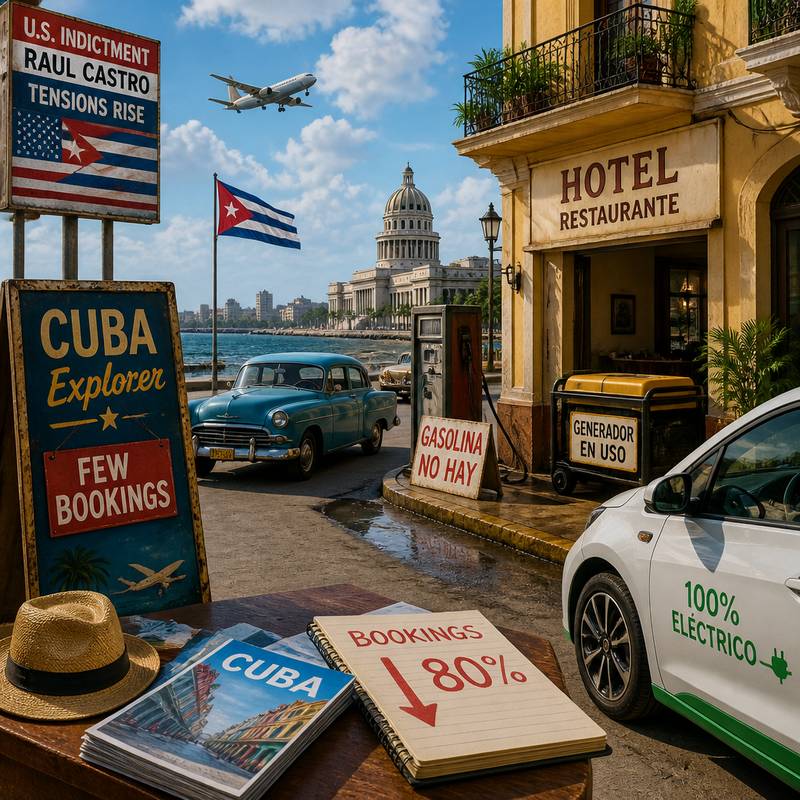 Cuba’s visitor economy is taking a proper battering. Through April, arrivals were running at less than half last year’s pace, according to Cuba’s National Office of Statistics and Information. Canadians still make up most of the flow, while only 21,000 Americans reached the island in that period.
The slump has gathered force alongside Cuba’s energy crunch, unreliable flights, fuel shortages, the U.S. indictment of former president Raul Castro and a fresh spike in tensions between Havana and Washington. Many travelers are delaying plans because they fear possible U.S. military action or don’t fancy holidays shaped by blackouts and petrol scarcity.
For Havana-based Cuba Explorer, founded by Marcel Hatch, the collapse has resembled the standstill of the Covid lockdown years. He reported bookings fell by as much as 80% in the weeks after U.S. forces captured Venezuelan president Nicolas Maduro in early January. Months later, he is handling only a small number of guests. The Americans still arriving tend to be people visiting relatives or younger independent travelers.
Some operators are pulling back. Intrepid Travel has canceled all Cuba departures through June 30 over concerns about flights and fuel.
Others are hanging on for calmer days. Johnny Considine of Cuba Private Travel is now looking mainly toward 2027, though he still made three bookings this week and has added fully electric vehicles. On the ground, hotels and restaurants serving tourists are largely operating with generators, leaving visitors more sheltered than locals from the outages and shortages.
Posted on 29 May 2026
Mozambique Stops Being the Bonus Round
 Mozambique used to be the safari add-on: see the big-name parks elsewhere, then drift east for beach drinks. Now the wildlife itself is the reason to go.
The country’s turnaround is most vivid in Gorongosa National Park. After devastation that lasted until 1992, a long-term public-private agreement first signed in 2008 and extended to 2043 helped rebuild the ecosystem. Today more than 100,000 large animals live there, including the world’s biggest waterbuck population, with lions, leopards and wild dogs back in force. Farther south, Maputo National Park gained Unesco World Heritage status in July 2025, with elephants near Indian Ocean beaches and critically endangered turtles nesting along the coast.
Getting in is easier now. Air Gorongosa relaunched in April 2026 from Safari Air, flying Cessna Grand Caravans and King Air 200s three times a week between Beira and Gorongosa, linking with Airlink’s Johannesburg route. A twice-weekly Bush and Beach service now connects Gorongosa with Vilanculos.
Inside the park, Muzimu Lodge starts at $950 per person per night; Chicari Camp at $850. Stays of five nights or more can include a Pangolin Foraging Walk and access to restoration work. A helicopter day trip reaches Mount Gorongosa, waterfalls, coffee fields and limestone gorges, with all Mount Gorongosa revenue reinvested. Expedition Camp runs April to October with only five departures.
In 2025, the restoration project employed 1,894 people, 99% Mozambican, funded 353 mobile clinics for 160,000 people, built 28 schools and halved chronic malnutrition locally. Every stay includes a $100 conservation levy. In 2026, plans include 300 more hectares of coffee, funding for a regional hospital and 50% more premium-camp revenue. Mozambique is not the side dish anymore. Posted on 27 May 2026
Montreal’s Plateau, Where the City Lets Its Hair Down
 Le Plateau-Mont-Royal, just north of downtown Montreal, is the city showing off in daylight: Victorian houses with corkscrew staircases, parks full of leafy good intentions, murals large enough to improve one’s mood by force, and enough flowers to make restraint seem un-Canadian.
A borough rather than a mere neighborhood, it contains the Plateau, Mile End, and Milton Park, and ranks among Canada’s most densely populated districts. Time Out recently put it among the world’s coolest neighborhoods, which seems only fair. If Montreal has a distilled essence, it is here—in the marriage of history, architecture, nightlife, and the long influence of Jewish immigrants from Eastern Europe, French Canadians, newer arrivals from France, plus Portuguese and Romanian communities.
Summer is its season of seduction. From June to September, stretches of Avenue du Mont-Royal, Avenue Duluth, and Prince Arthur Street go car-free; cafés and shops spill outdoors, art installations appear, and even urban farms join the performance. August and September offer the sweetest weather bargain: warm days, cooler evenings.
Mile End supplies murals, bookstores, bakeries, vintage shops, and the flagship St-Viateur Bagel, open daily 6 a.m. to midnight and winner of New York BagelFest’s Best International Bagel in 2023 and 2025. Nearby are Schwartz’s Deli, founded in 1928 by Reuben Schwartz, and Portuguese standby Coco Rico.
Go slowly: metro to Mont-Royal station, bus, or Bixi bike. Montreal has 480 miles of bike paths, and the Plateau rewards loafing as if it were an art form.
Posted on 25 May 2026
After the Hantavirus Headlines, Cruise Demand Holds Its Nerve
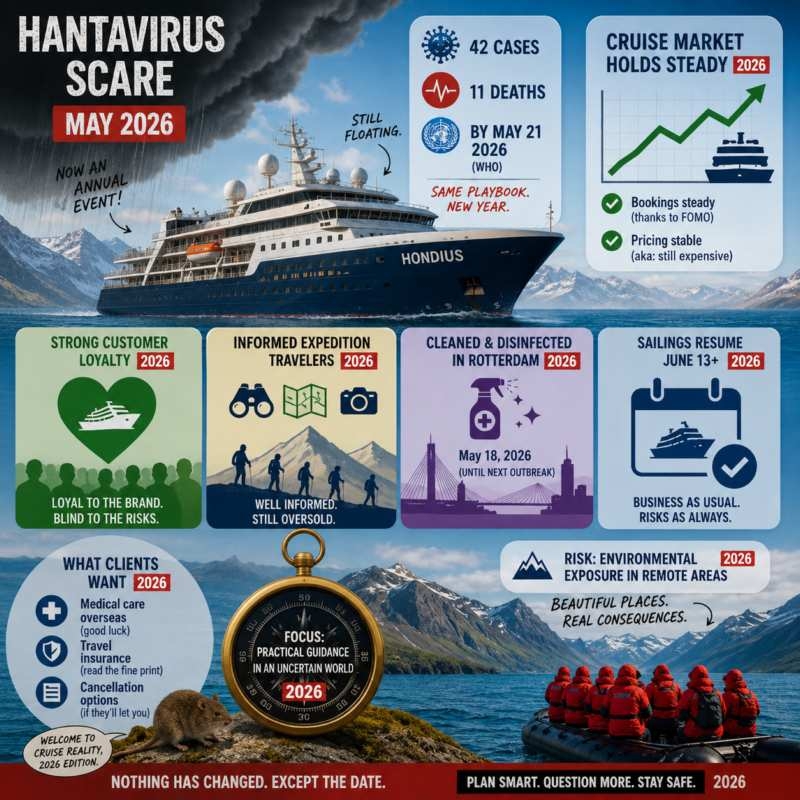 The scare arrived in May with the ugly speed of bad weather: hantavirus on the Dutch expedition ship Hondius, 11 cases tied to one voyage, three deaths by May 21, according to the World Health Organization. Yet the broader cruise market has scarcely blinked.
Large seller networks including Signature Travel Network and Avoya Travel report no meaningful shift in booking behavior. Cruise pricing has also held steady, said Infinity Research CEO Assia Georgieva, and Bank of America analysts tracking travel spending likewise found no drag on demand. For now, Georgieva said, the Iran war is the event weighing more heavily on cruise patterns.
That resilience reflects a familiar trait of cruise customers: loyalty, and a tendency to treat a grim headline as an isolated event rather than a verdict on the category. Expedition buyers, said Expedition Cruise Network CEO Akvile Marozaite, are typically informed travelers, and she has not seen widespread alarm. Scenic Luxury Cruises and Tours also reported no notable recent booking change.
Oceanwide Expeditions canceled Hondius departures set for May 29 and June 5 after the ship reached Rotterdam on May 18 for several days of cleaning and disinfection. Sailings from June 13 onward are expected to run normally this summer.
Advisors say clients mostly want practical guidance: overseas medical care, insurance, cancellation options. The risk, where it exists, is tied less to ships than to environmental exposure in remote, rugged itineraries.
Posted on 24 May 2026
Algeria Opens the Gate to Ruins, Desert and Living Craft
 Algeria has long stood near and far at once: rich in places to see, difficult to enter. That distance is beginning to lessen. The country wants to welcome 12 million international visitors a year by 2030, and recent changes suggest real movement toward that aim.
Among them is a visa-on-arrival option for travellers joining organised tours. In August 2025, Air Algérie is also set to launch a new subsidiary, Domestic Airlines, while the government has pledged stronger care for cultural heritage, including training and support for Algeria’s 460,000 handicrafts artisans.
Those practical shifts matter because the country’s appeal is unusually broad. Algiers, on the sea, is where many journeys begin: a city first founded by Phoenicians and later shaped by many hands, its streets carrying the accumulated forms of centuries. Constantine, listed by Unesco, preserves traces of roughly 3,000 years of occupation and remains one of the country’s essential urban destinations.
Beyond the cities lie two of North Africa’s great Roman sites. Timgad and Djémila, both near Constantine, are vast, remarkably intact and notably uncrowded. Farther south, the Algerian Sahara opens out in long reaches of dunes extending for hundreds of miles. Djanet, an oasis town, serves as the usual gateway into those desert landscapes.
New tours from major operators, launching for 2026, should make this once-distant destination easier to know.
Posted on 20 May 2026
Astrakhan’s Lighthouse to Nowhere
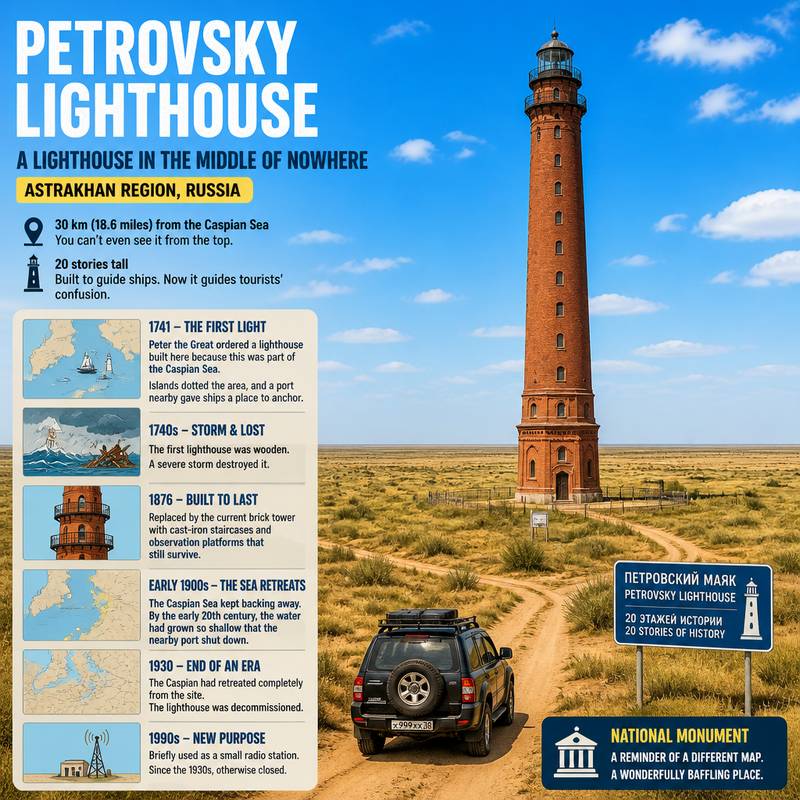 Picture barreling across the dry, flat steppes of Russia’s Astrakhan region and suddenly spotting a 20-story brick lighthouse punching up out of nowhere. No crashing surf, no gulls, no romantic foghorn vibe—just grassland and confusion. The Caspian Sea sits roughly 30 kilometers (18.6 miles) away now, so distant you can’t even catch a glimpse of it from the top.
But Petrovsky Lighthouse isn’t some surrealist prank. It’s a leftover from a different map.
Back in 1741, Peter the Great ordered a lighthouse built here because this stretch of land was then part of the Caspian Sea. Islands dotted the area, and a port nearby gave ships a place to anchor. The first version was wooden, which turned out to be an optimistic choice; a severe storm took it down. In 1876, it was replaced by the current brick tower, fitted with cast-iron staircases and observation platforms that still survive.
Then the sea kept backing away. By the early 20th century, the water had grown so shallow that the port shut down. The lighthouse itself stayed active until 1930, when the Caspian had finally retreated completely from the site.
In the 1990s, the tower briefly served as a small radio station. Since losing its maritime job in the 1930s, it has otherwise remained closed. Today it stands as a national monument—and a wonderfully baffling tourist attraction.
Posted on 19 May 2026
travellistings.org (c)2009 - 2026